

 View All Pet Articles
Ticks: A Big Problem for You & Your Pet
Protecting your pets from ticks starts with understanding their lifecycle, which disease they can spread in less than 10 minutes, and what routine test your veterinarian can run to detect it.
by PetIQ Veterinary Council
Estimated Reading Time: 3 Minutes
Types of Ticks & Where They Are Found:
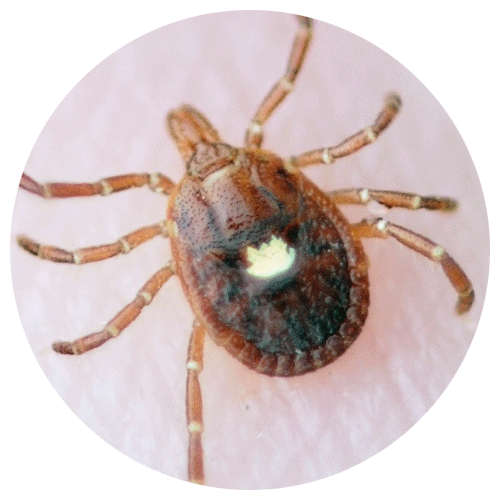
Lonestar Tick
- Not just Texas. This tick can be found in many southern and eastern coastal states.
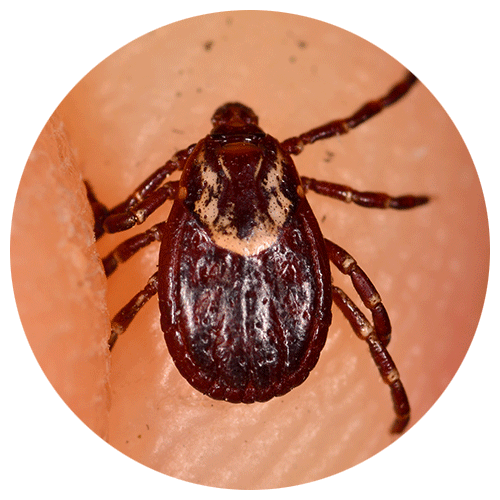
American Dog Tick or Wood Tick
- East of the Rocky Mountains, and limited areas of the Pacific coast.
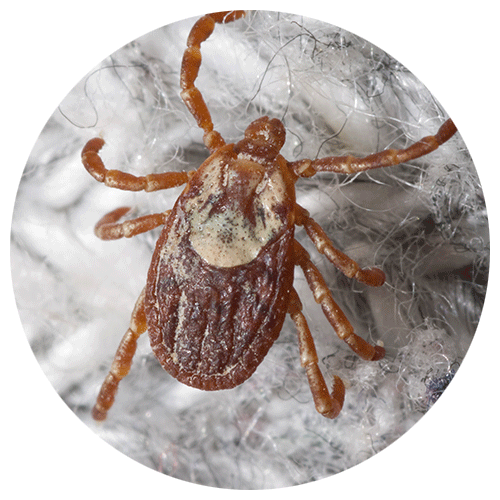
Rocky Mountain Wood Tick
- Rocky Mountain states like Idaho, Utah, Montana, and Nevada.
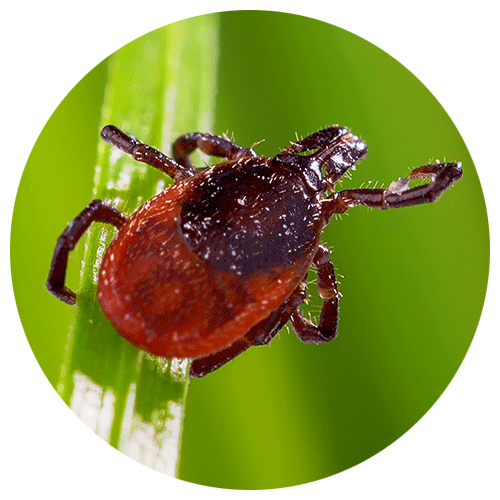
Western Blacklegged Tick
- Northern California is a hot spot for these ticks.
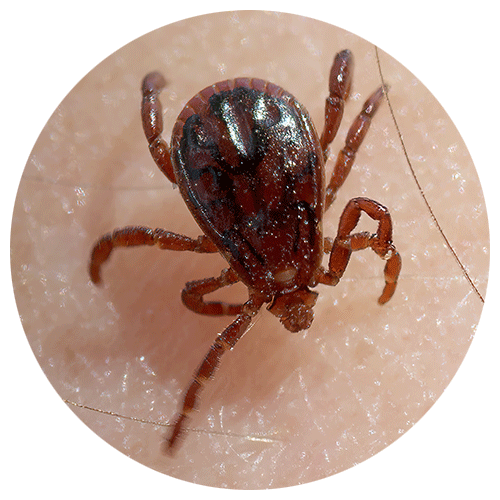
Brown Dog Tick
- Found in every U.S. state and territory.
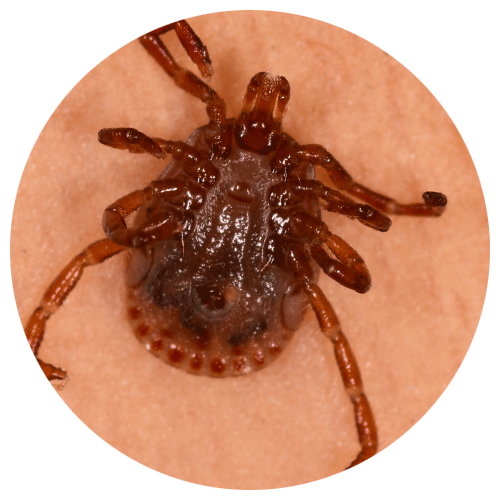
Gulf Coast Tick
- Atlantic coast, Gulf of Mexico.
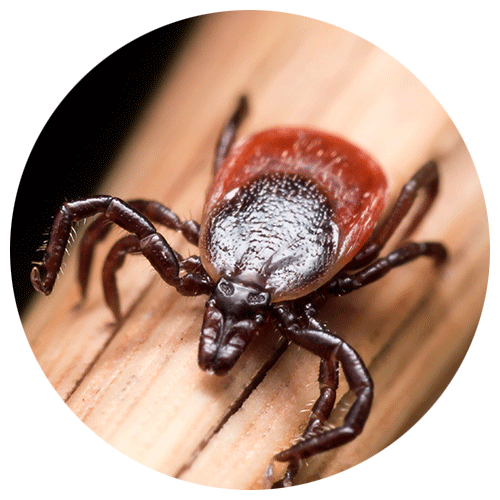
Blacklegged Tick
- East of the Rocky Mountains, including the Midwest. These hard-to-kill ticks are active any time the weather is above freezing.
The 4 Stages of the Tick Lifecycle
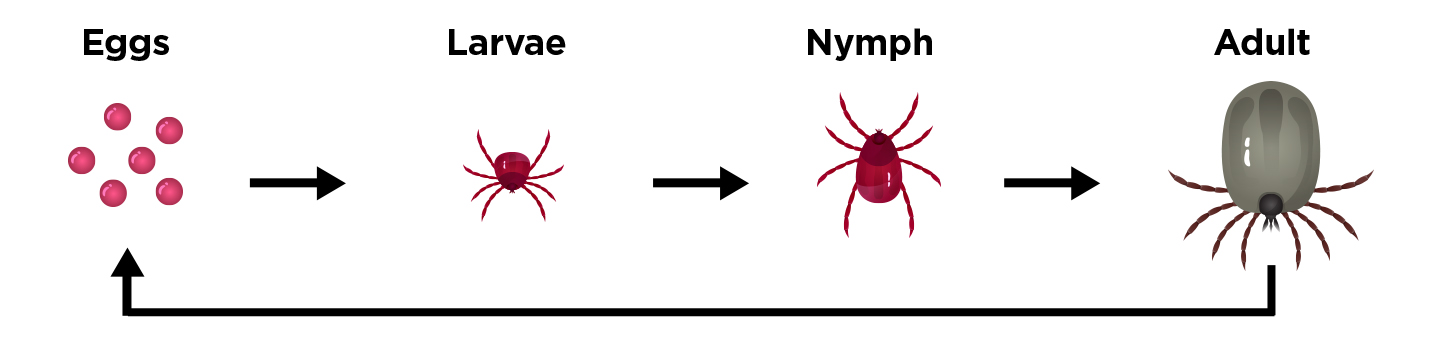
The Tick Lifecycle
Stage 1: Eggs
Did you know that an adult female tick can lay anywhere from 2,000 – 5,000 eggs at a time? These eggs start to hatch in about two weeks.
Stage 2: Larvae
This stage can last for about one week. During this time, tick larvae can feed on animals or humans before detaching themselves. Once they separate, it takes anywhere from one week to eight months to move on to the next stage.
Stage 3: 8-Legged Nymphs
At this phase, ticks are out for blood. If undetected, ticks can attach and feed off their hosts for 3 to 11 days. Most people only see ticks after they have been feeding for several days and are engorged with blood.
Stage 4: Adult Ticks
Once an 8-Legged nymph sheds its outer skin again, it becomes an adult tick. Adult ticks climb up into tall grasses and plants to look for their prey. They sense the area around them using their legs and can hop onto an unsuspecting pet or person. An adult female can increase her size up to 100x her original weight while feeding. After feeding, she mates with a male tick, lays her eggs and starts the tick lifecycle again.
It Takes Less Time Than You Think for Your Pet to Become Infected
In 10 Minutes: An infected tick can infect your pet with Rocky Mountain Spotted Fever.
36-48 Hours: Once an infected tick is attached to your pet for 36-48 hours, it can potentially spread Lyme disease.
Stopping Ticks Before They Stop You
Keeping your pet healthy and happy year-round starts with a monthly prevention plan. Protecting them doesn’t have to be complicated or time-consuming. There are several over-the-counter solutions and prescription medications your PetVet™ veterinarian can recommend or prescribe for your pet.